Beginner cake decorating tips can make a huge difference between a cake that feels difficult to finish and one that looks neat, smooth, and celebration-ready. When learning how to decorate a cake for beginners, it is easy to focus on the final design while overlooking the small preparation steps that create a professional-looking result.
At Made by Confetti, we know that beautiful cake decorating starts with a good foundation. You do not need years of experience to improve your results. Avoiding a few common mistakes, using the right tools, and giving each stage enough time can help you create smoother finishes, cleaner details, and more confident designs.
Here are 10 common cake decorating mistakes beginners make and, more importantly, how to fix them.
1. Frosting a Cake Before It Has Fully Cooled
One of the most common beginner cake decorating mistakes is applying buttercream or frosting to a cake that is still warm.
Even a slightly warm cake can soften or melt your frosting, causing it to slide, lose its shape, or create an uneven finish.
How to fix it
Allow your cake layers to cool completely before decorating. Once cooled, you can also chill the layers briefly to make them easier to handle and frost.
Starting with a stable, cool cake gives you much better control over every stage of decoration.

2. Skipping the Crumb Coat
If you have ever noticed cake crumbs appearing throughout your final layer of buttercream, the missing step is often the crumb coat.
A crumb coat is a thin first layer of frosting applied to trap loose crumbs before the final layer goes on. Skipping it can make it much harder to achieve a clean finish.
How to fix it
Apply a thin layer of buttercream around the entire cake. It does not need to look perfect. Its job is simply to seal in the crumbs.
Chill the cake until the frosting is firm, then apply your final layer.
This simple step is one of the most useful cake decoration tips and tricks for beginners who want cleaner, smoother results.
3. Forgetting to Level the Cake Layers
A beautifully decorated cake can still look uneven if the layers underneath are not level.
Domed or uneven cake layers can cause the finished cake to lean, slide, or develop an uneven top. This becomes even more noticeable when you are trying to create sharp edges or add a topper.
How to fix it
Before stacking your cake, level the domed tops using a cake leveller or a long serrated knife.
Take your time and check that each layer sits flat before adding filling or frosting.
A level cake creates a much stronger foundation for the rest of your decorating work.
4. Using Frosting That Is Too Warm or Too Cold
The consistency of your buttercream matters just as much as the cake itself.
Frosting that is too warm can become soft and slide down the cake. Frosting that is too cold or firm can pull at the cake surface and make spreading difficult.
How to fix it
Aim for a smooth, spreadable consistency that holds its shape without being stiff.
If your frosting feels too firm, allow it to soften slightly and mix it until smooth. If it becomes too soft, chill it briefly before continuing.
The right consistency makes smoothing, piping, and layering much easier.
5. Decorating Without a Stable Surface
Trying to frost or pipe onto a cake that moves around can quickly become frustrating.
Without a stable base, your scraper may create uneven sides and your piping may lose consistency.
How to fix it
Use a stable cake board and, where possible, work on a smooth-turning cake stand or turntable.
A non-slip surface underneath can also help prevent movement while decorating.
For beginners learning how to decorate a cake for beginners, stability is one of the easiest improvements you can make.
6. Holding the Piping Bag Too High
Piping takes practice, but many beginners make the process harder by holding the piping bag too far away from the cake.
When the piping tip is too high, you lose control over the placement of the buttercream.
How to fix it
Keep the piping tip relatively close to the cake or decorating surface. Hold the top of the bag with your dominant hand to control pressure, while your other hand guides the bag.
Practice steady pressure and controlled movement.
Start with simple dots, lines, shells, or borders before moving on to more detailed designs.
7. Overfilling the Piping Bag
A piping bag filled all the way to the top can be difficult to control. Frosting may escape from the top, and maintaining consistent pressure becomes harder.
How to fix it
Fill your piping bag approximately halfway to two-thirds full.
This gives you more control and allows you to pipe for longer without creating unnecessary pressure or mess.
Refilling the bag may take a little extra time, but it often leads to neater results.
8. Skipping Chill Time Between Important Steps
Beginners are often excited to move quickly from one decorating step to the next. However, not giving the cake enough time to set can cause layers to shift or frosting to become difficult to manage.
This is especially important when stacking, crumb coating, smoothing, or creating detailed finishes.
How to fix it
When the cake starts feeling soft or unstable, pause and chill it before continuing.
You do not need to over-chill the cake at every stage. The goal is simply to give the frosting and structure enough time to firm up before adding the next layer.
Patience is often one of the most valuable skills in any cake decorating guide for beginners.
9. Applying Too Much Pressure While Piping
Uneven piping often happens when beginners squeeze too hard or change pressure throughout the design.
This can create oversized blobs, inconsistent borders, or messy finishes.
How to fix it
Use steady, even pressure instead of squeezing the piping bag all at once.
Practice on parchment paper before decorating the actual cake. This allows you to understand how much pressure is needed for different piping tips and designs.
When finishing a piped detail, stop applying pressure before lifting the tip away.
Small adjustments like this can make your cake decorations look much more polished.
10. Using the Wrong Cake Decorating Tools
You do not need an enormous collection of equipment to start decorating cakes. However, using the wrong tool for a specific job can make the process much harder.
For example, trying to create perfectly smooth cake sides without a proper scraper or attempting detailed textures without suitable decorating tools can lead to inconsistent results.
How to fix it
Start with a few practical tools that help you perform the basics well.
A beginner cake decorating kit can include:
- A cake scraper for smoother sides
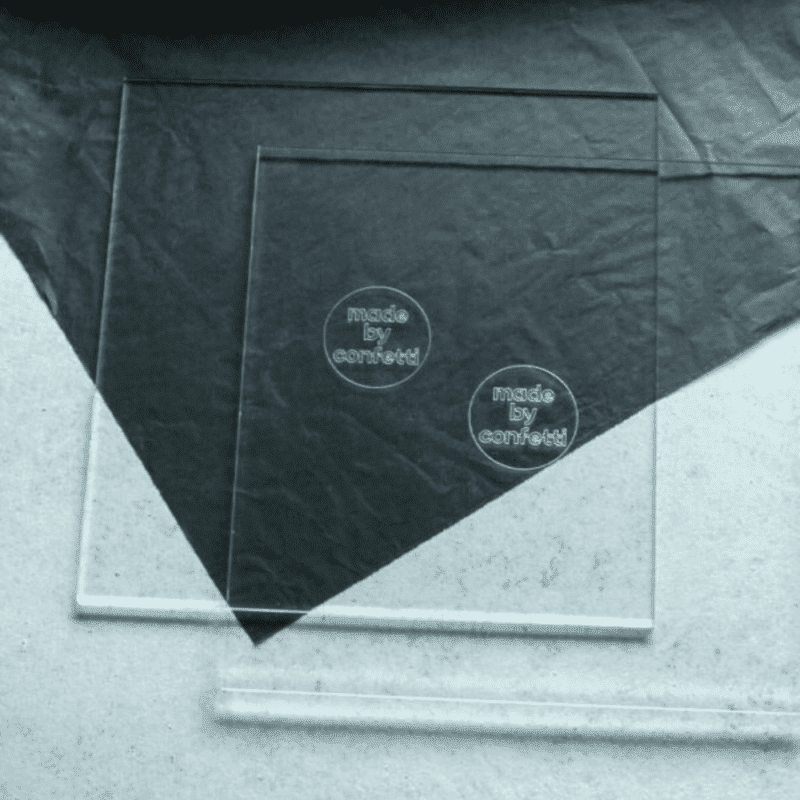
- Ganache plates for creating clean edges
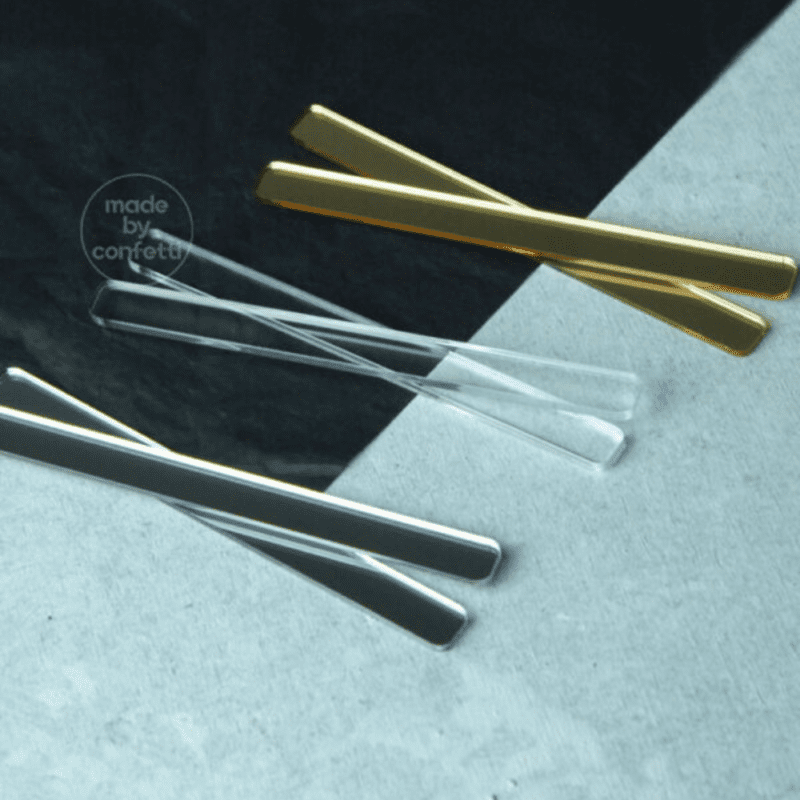
- Cake sticks or decorating supports
- Embossers for adding texture and detail
- Piping bags and basic piping tips
- A stable cake board
- Food colouring suitable for your chosen medium
Made by Confetti’s Cake Tools collection includes products such as embossers, ganache plates, scrapers, and other tools designed to help home bakers and cake decorators achieve cleaner finishes and creative details.
A Quick Note on Common Fondant Mistakes Beginners Make
Many fondant mistakes beginners experience are caused by poor preparation rather than the fondant itself.
Applying fondant over an uneven cake surface can make bumps and imperfections more visible. Rolling fondant too thin can cause tearing, while rolling it too thick can create excess bulk around the base.
The best approach is to begin with a smooth, chilled cake, roll the fondant evenly, and work gradually when smoothing it over the cake.
Embossers can also be used to add decorative impressions and detailed textures to prepared fondant surfaces. Made by Confetti’s decorating range includes embossers designed for creating precise decorative impressions.
The Key to Better Cake Decorating: Focus on the Basics
The best beginner cake decorating tips are often the simplest ones.
Let your cake cool. Level your layers. Apply a crumb coat. Use frosting with the right consistency. Give the cake time to chill when needed. Use steady pressure while piping and choose tools that make each task easier.
Cake decorating does not have to be perfect from the beginning. Every cake teaches you something about texture, consistency, structure, and design.
At Made by Confetti, we believe the right tools and thoughtful details can help turn even a simple homemade cake into something that feels polished and celebration-ready. Whether you are experimenting with smooth buttercream, fondant details, embossed designs, or personalised finishing touches, starting with a strong foundation makes the creative part much more enjoyable.
FAQs About Beginner Cake Decorating
1. What are the most common cake decorating mistakes beginners make?
Common mistakes include frosting a warm cake, skipping the crumb coat, using frosting with the wrong consistency, failing to level cake layers, overfilling piping bags, and using unsuitable tools.
2. How can I decorate a cake smoothly as a beginner?
Start with level cake layers, apply a crumb coat, chill the cake, then add your final layer of frosting. Use a suitable scraper and work gradually to smooth the sides.
3. What cake decorating tools should a beginner buy first?
A beginner can start with a cake scraper, piping bags, a few piping tips, a palette knife or offset spatula, a stable cake board, and simple decorating tools such as embossers.
4. Why does my buttercream keep sliding off the cake?
This can happen when the cake is too warm, the frosting is too soft, or the cake has not been chilled between important decorating stages. Allowing the cake and frosting to set can improve stability.
5. What are the most common fondant mistakes beginners make?
Common fondant mistakes include applying it over an uneven cake, rolling it too thin, allowing it to dry out, and using too much or too little dusting material. Preparing a smooth cake surface first can make fondant much easier to work with.